What Is PCOD?
What Is PCOD?
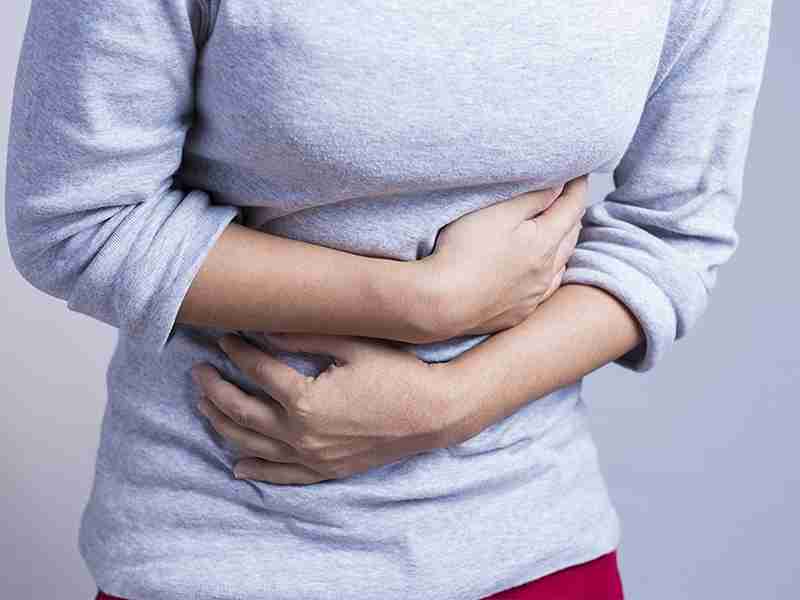
Polycystic Ovarian disease (PCOD) or polycystic ovarian syndrome (PCOS) is a common hormonal imbalance affecting 5-10% of women between 15-45 years of age. PCOD usually leads to irregular menstrual period, abnormal weight gain, no ovulation, hirsuitism, acne and ultimately leading to infertility.
Most of the symptoms are due to increase in male hormone levels in women leading to all above symptoms. Effect of PCOD are interrelated on your body, hormonal changes leads to various changes in body including mood swings, anxiety and depression.
In modern times, females have to do look after responsibilities at home as well as office. This puts them at added stress and increased symptoms of PCOD. Eventually because of immense stress, work pressure, increased expectation at home leads to health deterioration leading to more psychological trauma.
Sometimes physical inactivity adds to various problems of PCOD / PCOS. This disease is endemic in many parts of world affecting many women’s and girls in modern world today.
What Is Cause Of PCOD / PCOS?
Let me tell you that many school going girls even with moderate obesity, have this Polycystic Ovarian Disease (PCOD). If PCOD is detected early at a young age, then it can be treated very effectively with very few basic measures like diet, lifestyle modification and sometimes few pills.
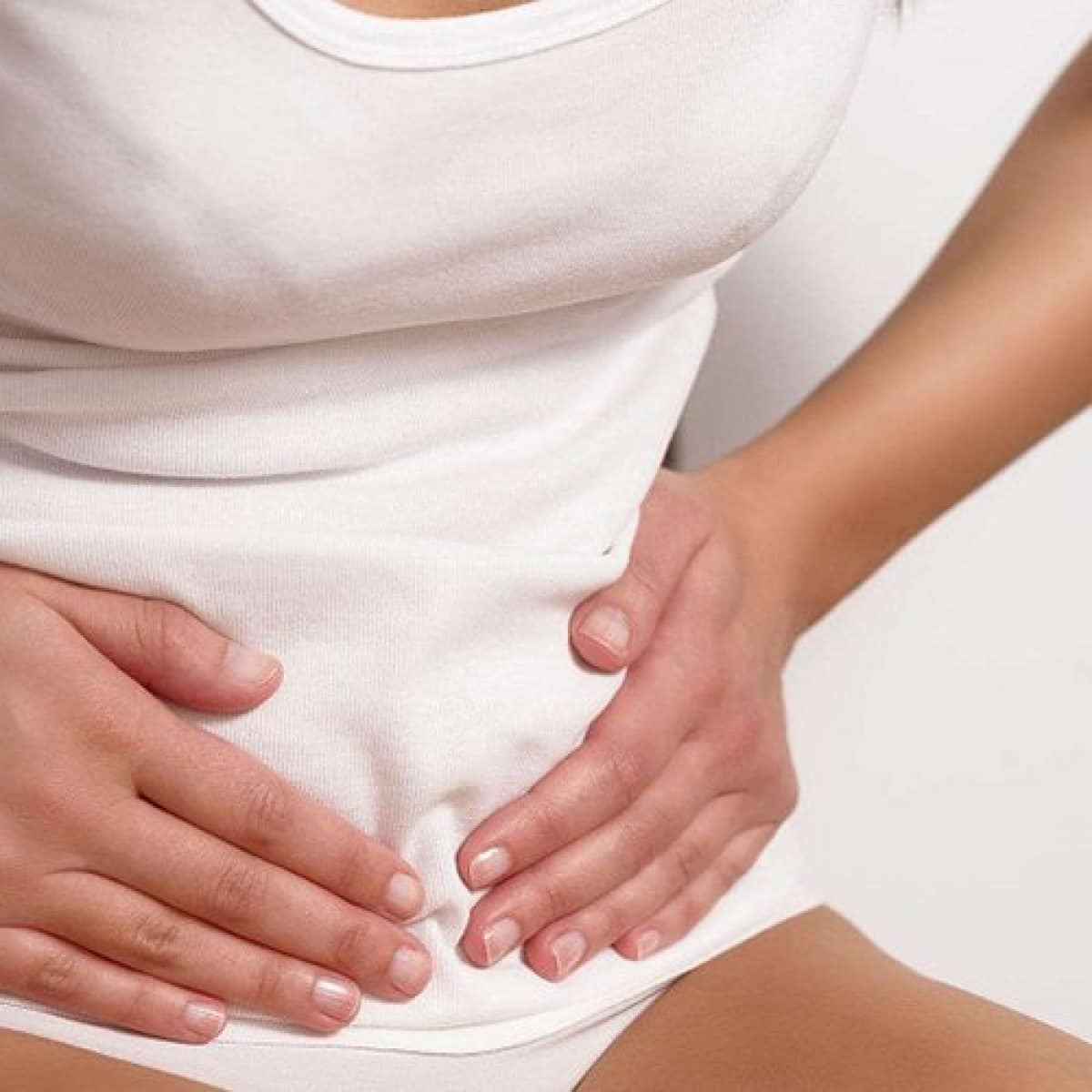
So PCOD / PCOS is ‘polycystic ovary disease; polycystic ovary syndrome and in it, the malehormone, “androgen” levels are increased in a woman’s body due to the vesicles or cysts formation in the ovaries.
It is not known exactly what causes PCOD but inflammation, genetic factors or insulin resistance is probable reason for increased androgen levels. This high androgen levels prevent follicle formation or follicle maturation. Lot of research is being done in this matter. Many doctors believe that incidence of PCOD is very high with stress, anxiety, early onset menarche and obesity in women.
Research suggests that several factors may contribute to its development, including:
- 1. Hormonal imbalance: Higher androgen levels can interfere with normal ovarian function & ovulation.
- 2. Insulin resistance: Some women with PCOS have insulin resistance, where the body does not respond effectively to insulin. This may contribute to increased insulin levels & hormonal changes.
- 3. Genetic factors: PCOS can run in families, suggesting a genetic contribution.
- 4. Metabolic factors: Weight & metabolic health can influence PCOS symptoms, although PCOS can also occur in women who are not overweight.
Now a days, incidence is so high that one in ten women of childbearing age suffer from PCOD.
Few years back, this problem was prevalent in women aged 30-35, but now a days it is more seen in school going adolescent girls.
Symptoms & Early Signs
What Are the Common Symptoms of PCOS?
PCOS symptoms can vary from woman to woman. Some experience only mild symptoms, while others may have multiple hormonal and reproductive concerns.
Common PCOS symptoms include:
Personalized Care
PCOS Treatment in Mumbai: What Are the Available Treatment Options?
There is no single treatment that works for every woman with PCOS. The treatment plan depends on symptoms, age, medical history, metabolic health & whether pregnancy is desired.
At Pearl Fertility & IVF, the appropriate treatment pathway should be discussed with the treating doctor after an individual assessment.
PCOS Treatment Options: Surgical & Non-Surgical
Explore the non-invasive medical management strategies and specialized surgical fertility options available.
Non-Surgical Treatment for PCOS
Most women with PCOS can be managed without surgery. The treatment depends on symptoms, metabolic health, menstrual pattern and whether pregnancy is desired.
1 Lifestyle & Dietary Management
It may include:
- Regular physical activity
- A balanced, nutrient-rich diet
- Adequate protein & fibre intake
- Healthy weight management
- Good sleep & stress management
- Reducing prolonged periods of inactivity
Lifestyle intervention can support metabolic health & overall wellbeing improving some PCOS symptoms.
2 Medication for Irregular Periods
Women with irregular or absent periods may be prescribed medication to help regulate menstrual cycles & provide protection to the uterine lining.
Depending on the individual situation, treatment may include:
- Combined oral contraceptive pills
- Progestogen therapy
- Other hormonal treatment when clinically appropriate
Combined oral contraceptives are among the recommended options for managing irregular menstrual cycles & hirsutism in appropriate reproductive-age women with PCOS.
3 Treatment for Insulin Resistance
Some women with PCOS have insulin resistance or increased metabolic risk.
After assessment, a doctor may recommend lifestyle management and, when appropriate, medicines such as metformin.
Metformin is not required for every woman with PCOS, so treatment should be individualised.
4 Treatment for Acne & Excess Hair
Increased androgen activity can contribute to:
- Acne
- Excess facial or body hair
- Scalp hair thinning
Treatment may include hormonal medication, anti-androgen therapy in selected patients, dermatological treatment depending on the individual case.
5 Ovulation Induction for PCOS-Related Infertility
For women who are trying to conceive & have infertility due to anovulation associated with PCOS, letrozole is recommended as first-line pharmacological ovulation induction when there are no other infertility factors, according to the international evidence-based guideline.
Other treatments may be considered depending on the response and individual circumstances.
6 IUI Treatment
Intrauterine insemination (IUI) may be considered in selected women when appropriate.
Before IUI Treatment, the fertility specialist may assess factors such as:
- Ovulation
- Fallopian tube patency
- Age
- Duration of infertility
- Previous fertility treatment
IUI is not automatically required simply because a woman has PCOS.
7 IVF Treatment
IVF may be considered when:
- Ovulation-induction treatments have failed
- Other infertility factors are present
- There is another clinical indication for IVF
- The fertility specialist determines that IVF is appropriate
Surgical Treatment for PCOS
Surgery is not the routine treatment for PCOS itself. However, a surgical procedure called laparoscopic ovarian surgery, commonly known as laparoscopic ovarian drilling (LOD), may be considered for selected women with PCOS related infertility.
Laparoscopic Ovarian Drilling
Laparoscopic ovarian drilling is a minimally invasive procedure performed using laparoscopy. During the procedure, the surgeon uses laparoscopic techniques to make controlled punctures in the ovarian tissue.
It may be considered in selected women with:
- PCOS
- Anovulatory infertility
- Failure or resistance to oral ovulation-induction treatment
- No other significant infertility factors
Is Laparoscopic Ovarian Drilling Suitable for Everyone?
No. The decision depends on factors such as:
- Previous response to fertility medication
- Age
- Duration of infertility
- Other fertility factors
- Ovarian and reproductive history
- Surgical risks
- Alternative fertility treatments
A fertility specialist should discuss the potential benefits, risks & alternatives before the procedure.
PCOS Surgery vs Medication
Summary of when each treatment modality may be considered for PCOS management.
| Treatment | When it may be considered |
|---|---|
| Lifestyle management | Part of long-term PCOS care |
| Hormonal medication | Irregular periods/hormonal symptoms |
| Metformin | Selected women with metabolic indications |
| Ovulation induction | PCOS-related anovulatory infertility |
| IUI | Selected fertility cases |
| IVF | When indicated or when other treatments fail |
| Laparoscopic ovarian drilling | Selected second-line infertility cases |
Patient with PCOD will have following symptoms,
1. Irregular periods- Irregular menstrual periods is the most important sign at a young
age.
2. Heavy bleeding
3. Sudden weight gain- the body fat of most women increases.
4. Hirsutism – Unwanted hair growth on the chin, face chest and abdomen is seen in these
patients.
5. Outbursts of anger- mood swings is very common in these cases.
6. Excess acne- Acne which doesn’t respond to usual treatment is very common with PCOD
7. Infertility- Infertility is very common with PCOD. It needs proper attention before
planning pregnancy.
8. Headache
9. Male type of baldness
Apart from history and physical examinations, few blood tests and ultrasonography of abdomen will help in diagnosis of PCOD. Blood tests usually done are testosterone level and Sex hormone binding globulin.
Take regular walks in the morning in park around you, which will not only reduce your stress but also reduce the weight. Regular exercise keeps your body healthy and mind peaceful which helps to reduce stress to great extent. If you learn to manage your stress, it is like managing your PCOD. Listen to your favorite music, read some good books, involve in stress reliving activities to control your PCOD
Regular exercise:
Walking, jogging, yoga, Zumba dancing, aerobics, cycling, swimming, all other similar
physical activities are suggested by many people to treat PCOD.
Healthy cooking:
It is very important to avoid junk food, sweets, fatty foods and soft drinks. So to avoid
junks, you need to prepare healthy food at home. Include cooking as a part of your PCOD
control activity. Include seasonal fresh fruits, vegetables, sprouts and other super-foods
like various seeds rich in omega-3 fatty foods such as flaxseed, walnuts and fish etc. in
your routine diet. Try to drink plenty of liquids water throughout the day which gives
satiety and give feeling of full stomach.
Choose a healthy lifestyle:
Young women’s are overworked and burdened with lots of responsibilities. Which puts them under lots of stress, which is triggering factor for many health related problems including PCOD. Apart from this, young generation should avoid late night binging, drinking alcohol, smoking and other substance abusers to avoid multiple health issues. Many a times, young girls are unaware of this ailment. Late diagnosis and late treatment leads to other health issues like infertility. If you notice any of the above symptoms, in either you or in your friends, you should consult your gynecologist immediately and take appropriate advice. PCOD/PCOS can be prevented by eating right, exercising regularly, maintaining a healthy lifestyle and consulting your gynecologist at regular interval.
Got Questions?
FAQs About PCOS Treatment in Mumbai
Find clear, expert answers to the most common questions about PCOS symptoms, diagnosis, management, and fertility treatment options at Pearl Fertility & IVF in Mumbai.